The Ultimate Guide to Antibacterial Disinfectants: Killing Germs and Keeping Surfaces Safe

by 02:00

Are you looking for the most effective way to keep your home and workplace clean and safe from harmful germs?

With an exponential increase in contagious diseases, keeping your surroundings germ-free has become a rising concern.

Antibacterial Disinfectants

This is where antibacterial disinfectants play an important role in keeping various surfaces safe while providing the ultimate protection against germs.

In this comprehensive guide, we will explore different types of antibacterial disinfectants, their common applications, safety measures, and more, to help you make well-informed decisions when selecting a product for your specific needs.

So, let's dive in and find out how to kill those pesky germs and keep surfaces safe!

What are Antibacterial Disinfectants?

Antibacterial disinfectants are chemical agents specifically formulated to destroy or inactivate germs, such as bacteria, viruses, and other microorganisms, on different surfaces.

They come in a variety of forms, including liquids, sprays, wipes, or powders, and are commonly used in residential, commercial, and industrial settings.

Using these disinfectants regularly can help prevent the spread of infections and diseases and contribute to a cleaner, healthier environment.

The Science Behind Disinfection

Disinfection is the process of killing or inactivating microorganisms present on surfaces, aiming to reduce the risk of infection.

Disinfectants work by either destroying the cell walls of microorganisms or damaging their proteins, rendering them harmless.

The effectiveness of a disinfectant depends on factors such as its concentration, contact time, and the presence of organic matter, among others.

Common Applications of Disinfectants

Disinfectants have widespread applications across various sectors, including residential, commercial, medical, and industrial.

Some common uses of Antibacterial disinfectants include:

  • Home cleaning: Keeping surface areas, such as kitchen countertops, bathroom fixtures, and floors free of germs
  • Childcare facilities: Ensuring that toys, play areas, and surfaces are sanitized after each use
  • Healthcare: Sterilizing medical equipment, decontaminating patient rooms, and maintaining overall hygiene in healthcare facilities
  • Food sector: Disinfecting food preparation spaces and utensils, and maintaining cleanliness in eateries
  • Educational institutions: Sanitizing classrooms, desks, and other commonly-touched surfaces
  • Sports and recreation: Cleaning gym equipment, sporting facilities, and locker rooms

Types of Disinfectants

There are a variety of disinfectants available on the market, each differing in their mode of action and level of effectiveness.

Some common types of antibacterial disinfectants include:

  • Alcohols: Rapidly evaporating solutions that are effective against a wide range of bacteria and viruses.
  • Quaternary Ammonium Compounds (QACs): Highly effective against a broad range of germs and can be used on various surfaces.
  • Phenolics: Versatile and effective against bacteria, fungi, and viruses but may require a higher concentration to be effective.
  • Chlorine Compounds: Highly potent and effective against a wide range of microorganisms; however, they can be corrosive and require proper handling.
  • Iodophors: Suitable for application in both medical and non-medical environments, offering a balance between effectiveness and low toxicity.

Making a Choice: Factors to Consider

When choosing the right disinfectant for your needs, it is essential to consider the following factors:

  • The kind of the germs you're targeting
  • The type of surface you'll be cleaning
  • The residue and odor left behind
  • The concentration of the product
  • Environmental impact and toxicity
  • The cost of the disinfectant

The Disinfection Process Explained

To ensure optimal effectiveness of the disinfectant, follow these steps:

  • Clean the surface using soap & water to remove visible dirt, dust, and debris.
  • Apply the disinfectant according to the manufacturer's instructions, ensuring appropriate concentration and contact time.
  • Allow the surface to air dry, as wiping it down before the required contact time can affect the disinfectant's effectiveness.

The Rise of Natural Disinfectants

Given the concerns about environmental impact and toxicity of some disinfectants, natural alternatives have gained popularity.

Some natural disinfectants include:

  • Vinegar: A natural cleaner and disinfectant that can be used on various surfaces.
  • Hydrogen Peroxide: A potent oxidizing agent with antimicrobial properties.
  • Tea Tree Oil: A natural antiseptic with proven antimicrobial properties.
  • Thymol: A compound derived from thyme oil with antibacterial & antifungal properties.

Safety Guidelines and Precautions

When using antibacterial disinfectants, it's crucial to follow these safety measures:

  • Always read and adhere to the manufacturer's instructions for use, concentration, and contact time.
  • Wear personal protective equipment, such as gloves and eye protection.
  • Store disinfectants safely out of reach of children and pets.
  • Ensure proper ventilation during the application process.
  • Do not mix disinfectants with other chemicals, as this can result in harmful reactions.

Conclusion and Taking Action

By now, you should have a more understanding of what antibacterial disinfectants are, how they work & applications to suit your specific needs.

Whether it's keeping your home clean or maintaining a safe workspace, using effective disinfectants can keep you and those around you protected from harmful germs.

To make the most out of your germ-fighting efforts, remember to choose the right product for your needs, follow the manufacturer's recommendations, and practice appropriate safety measures.

Good luck in your quest to kill germs and maintain a healthy environment!

Choosing a Moving Company: Tips for a Smooth and Stress-Free Experience

by 01:58

Introduction-

Moving to a new home can be an exciting but daunting experience. One of the most critical aspects of a successful move is finding a reliable moving company to take care of the heavy lifting. With so many options available, how can you be sure to choose the right moving services for your needs? In this article, we'll explore essential factors to consider when selecting a local or long-distance moving company, as well as tips for ensuring a smooth and stress-free moving experience.

1. Determine your Moving Needs & Budget-

Before you start searching for a moving company, it's crucial to determine your specific needs and establish a budget. Consider the following factors:

- Local vs. Long-Distance: Are you relocating to a nearby neighborhood or across the country? The distance of your move will affect the type of moving services you require and the associated costs.

- Packing Services: Will you need assistance packing your belongings? Some moving companies offer packing services which can save time and ensure your items are properly protected.

- Size of your Move: Consider the volume and weight of your belongings. A larger move may demand a bigger truck and more movers, influencing the price.


2. Research and Compare Local and Long-Distance Moving Companies-

Once you've determined your needs, it's time to research potential moving companies. Start by asking friends, family, or coworkers for recommendations, and conduct online searches using targeted keywords such as "local moving company" or "long-distance moving services." Make a list of potential movers and compare their services, rates, and online reviews.

3. Request & Evaluate Moving Quotes-

Contact your shortlisted moving companies and request written, itemized quotes. Keep in mind that the lowest quote may not always be the best option, and it's essential to consider the quality of services provided. When evaluating quotes, consider the following:

- The estimated weight of your belongings

- The distance of your move

- Additional services like packing and unpacking

- The number of movers required

- Potential extra fees, such as fuel surcharges or handling large items

4. Assess the Company's Reputation, Licenses, and Insurance-

Before hiring a moving company, research their reputation through online reviews and the Better Business Bureau. Ensure the company holds proper licensing and insurance to protect your belongings:

- For local moves, check with your state's regulatory agency.

- For long-distance moves, verify the company's registration with the Federal Motor Carrier Safety Administration (FMCSA) by searching their USDOT number. 

5. Additional Services Offered-

Some moving companies stand out from the competition by offering additional services. Examples of these services include:

- Disassembly and reassembly of furniture

- Packing and unpacking services

- Storage solutions during the moving process

- Special handling for fragile or valuable items

Determine if any of these services would benefit your move and consider the added costs when comparing quotes.

Moving Company

6. Preparing for Moving Day: Tips for Success-

To ensure a smooth and stress-free moving day, follow these helpful tips:

- Prepare an inventory list of your belongings to keep track of items during the move and avoid misunderstandings with the movers.

- Clearly label all boxes with their contents and destination room. This will make unpacking easier and help the movers understand your preferences.

- If possible, reserve parking spaces for the moving truck near your old and new homes to save time and avoid additional fees.

- Be present on moving day to answer any questions the movers may have and to supervise the loading and unloading process.

7. Conclusion: Enjoying a Smooth and Stress-Free Move with the Right Moving Company-

Finding the right moving company is essential for a successful and stress-free relocation. By determining your needs and budget, researching, and comparing local and long-distance moving companies, and evaluating quotes, you can make an informed decision. Additionally, by considering additional services and following moving day preparations, you can ensure a seamless transition into your new home. Happy moving!

The Importance of Basement Waterproofing Membrane for a Dry and Durable Home

by 02:49

A basement waterproofing membrane is a crucial component of any basement waterproofing system. It is a thin layer of material that is applied to the exterior or interior walls of a basement to prevent water from penetrating the foundation walls. The membrane acts as a barrier that stops water from seeping through the walls and into the basement. In this article, we will explore the different types of basement waterproofing membranes and their benefits.

Basement Waterproofing Membrane

Types of Basement Waterproofing Membranes

  1. Sheet Membranes

Sheet membranes are a type of basement waterproofing membrane that is made from materials such as rubber, asphalt, or polyvinyl chloride (PVC). These membranes are easy to install and can be applied to both the exterior and interior walls of a basement. They are typically installed in conjunction with a drainage system to ensure that any water that does penetrate the membrane is directed away from the foundation.

Sheet membranes come in a variety of thicknesses, and the thicker the membrane, the more durable it will be. The thickness of the membrane should be determined based on the severity of the water problem in the basement. A thicker membrane is recommended for areas with heavy rainfall or where the water table is high.

  1. Liquid Membranes

Liquid membranes are another type of basement waterproofing membrane that is applied directly to the surface of the foundation walls. They are typically made from a blend of rubber and asphalt or polyurethane. Liquid membranes are often used in conjunction with a fabric reinforcement to provide added strength and durability.

One of the benefits of liquid membranes is that they can be applied to irregularly shaped surfaces, such as around pipes or corners. They are also seamless, which means that there are no gaps or seams for water to seep through. However, liquid membranes are not as durable as sheet membranes and may need to be reapplied over time.

  1. Spray-on Membranes

Spray-on membranes are a type of liquid membrane that is applied using a spray gun. They are typically made from polyurea or polyurethane and are highly durable. Spray-on membranes can be applied to both the interior and exterior walls of a basement and are often used in conjunction with a drainage system.

One of the benefits of spray-on membranes is that they can be applied quickly and easily. However, they are more expensive than other types of membranes and require a professional to install.

Basement Waterproofing Membrane

Benefits of Basement Waterproofing Membranes

  1. Prevents Water Damage

The primary benefit of a basement waterproofing membrane is that it prevents water from seeping into the basement. Water damage can be costly to repair and can lead to the growth of mold and mildew. By preventing water from entering the basement, a waterproofing membrane can help protect the structural integrity of the building and prevent health problems associated with mold and mildew.

  1. Increases Property Value

A basement waterproofing membrane can increase the value of a property by making the basement a usable living space. A dry basement can be used as a living area, a storage space, or even a home office. By creating a dry, comfortable space in the basement, a waterproofing membrane can add value to a property and make it more attractive to potential buyers.

  1. Improves Energy Efficiency

A waterproofing membrane can also improve the energy efficiency of a building by reducing the amount of moisture that enters the basement. Moisture can make a building feel damp and cold, which can increase the demand for heating and cooling. By reducing moisture, a waterproofing membrane can help lower energy bills and make a building more comfortable to live in.

  1. Prevents Health Problems

Mold and mildew can cause a range of health problems, including allergies, asthma, and respiratory infections. By preventing moisture from entering the basement, a waterproofing membrane can help prevent the growth of mold and mildew.

Waste Management - The Use and Importance of Skip Bins

by 22:10

After a fun-filled party, the aftermath can be daunting as it often leaves behind an overwhelming amount of waste materials ranging from empty bottles to leftover food. In this regard, waste management plays a critical role in maintaining a clean and sustainable environment. Waste management encompasses a series of processes including collection, transportation, processing, and disposal of waste materials in a safe and eco-friendly manner.

Fortunately, one of the most effective ways to manage waste after a party is by engaging the services of skip bin hire companies. These companies provide reliable and convenient waste management solutions by offering skip bins in various sizes that cater to the different needs and volumes of waste generated.

Why is Waste Management Necessary?

#1. Keeps the Planet Clean: The Earth is our home, and we want to keep it clean and beautiful. When we don't manage our waste properly, it can end up in our oceans, rivers, and forests, harming wildlife and damaging the environment.

#2. Reduces Pollution: When waste is not properly managed, it can create pollution in the air, water, and soil. This pollution can harm human health and contribute to climate change.

#3. Conserves Resources: Proper waste management can help conserve resources by reducing the need for raw materials and energy. For example, recycling aluminum cans can save energy and reduce greenhouse gas emissions.

#4. Creates Jobs: The waste management industry creates jobs for people in many different fields, from collection and transportation to processing and disposal. This helps support the economy and provides employment opportunities for people in the community.

#5. Saves Money: Proper waste management can save money by reducing the cost of waste disposal and avoiding fines for improper disposal. Recycling and composting can also generate revenue by creating new products from waste materials.

So, there you have it - waste management is not only important for keeping the planet clean and healthy, but it can also have fun and positive benefits for the economy and society.

Remember to always do your part by properly disposing of your waste and recycling whenever possible. One way could be by getting skip bins on hire!

Why Use Skip Bins?

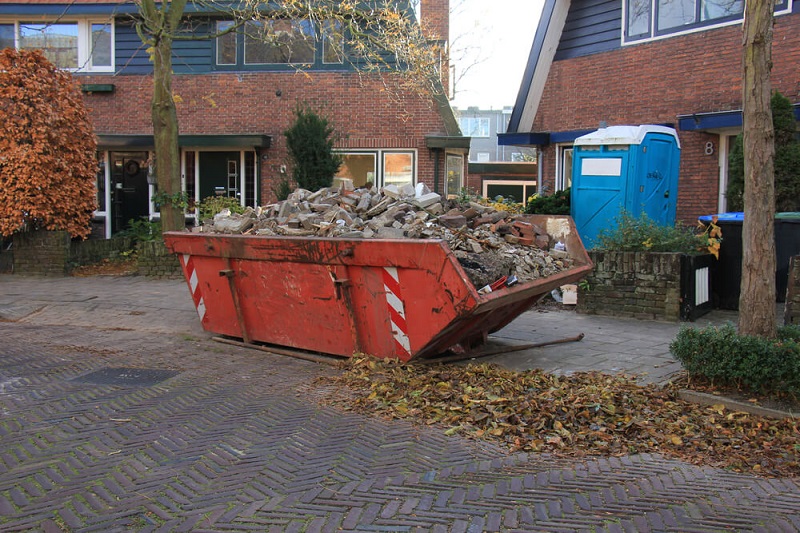
An indispensable tool in the field of waste management is the skip bin, a robust and spacious container that serves as a receptacle for a variety of waste materials. Skip bins find frequent application in construction sites, commercial waste management, and residential waste disposal, providing a reliable and efficient means of collecting and disposing of waste. With their durability and capacity, skip bins are an ideal solution for managing waste materials of various types and volumes.

Here are Some Reasons Why You Should Think of Skip Bins Hire Companies as An Important Step in Waste Management:

#1. Convenience: Skip bins are very convenient because they can be delivered to your location, making it easy for you to dispose of large amounts of waste at once. They can be filled up and then taken away for proper disposal.

#2. Safety: Skip bins are designed to be sturdy and secure, which helps prevent accidents and injuries from sharp or dangerous waste materials. When you get in touch with a skip bin hire company, you are helping to reduce clutter and ensuring that you keep the workspace or property clean and safe.

#3. Efficiency: Skip bins can hold a large volume of waste, which means fewer trips to the landfill or recycling center. With a skip bin hire organization, you can save time, money, and resources in the long run.

#4. Environmentally Friendly: Skip bins are often used for recycling and proper disposal of hazardous waste materials. This helps reduce the impact of waste on the environment and supports sustainable waste management practices.

#5. Cost Effective: Using skip bins can be cost-effective compared to other waste disposal methods. You only pay for the bin and disposal rather than paying for individual garbage bags or trips to the landfill.

#6. Time Saving: A skip bin hire company will help you save a lot of time. You can fill the bin with waste at your own pace, and the skip bin company will take care of the transportation and disposal. This is how you work smart, not hard. 

Conclusion

Obtaining skip bin hire is an effective, safe, and convenient method for managing waste while promoting environmental sustainability. By utilizing skip bins, individuals can dispose of all waste materials in a cost-effective and eco-friendly manner, ultimately saving time and reducing hassle.

Choosing to hire skip bins offers a range of benefits, including the ability to select from various bin sizes that meet specific waste disposal requirements. Additionally, skip bin hire companies offer flexible delivery and pick-up times, making it easier for individuals to manage their waste at their convenience.  

Powered by Blogger.